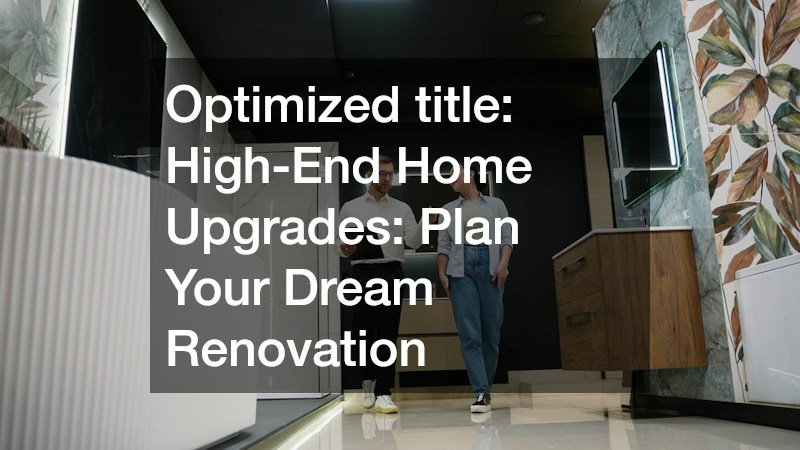
A whole-home renovation can transform more than the appearance of a property. It can create spaces that better support your lifestyle, improve everyday comfort, and bring together the features you have always wanted in your home. For homeowners who love their property’s location and structure but feel that the existing layout, finishes, or amenities no longer meet their needs, high-end home upgrades can provide an opportunity to create a more personalized living environment.
Luxury renovations often involve more than selecting expensive materials or adding impressive features. A successful project requires careful planning around the home’s layout, architecture, lighting, materials, technology, functionality, and long-term maintenance. Every decision should work together to create a cohesive design rather than a collection of disconnected upgrades. This is particularly important when renovating multiple rooms or changing major parts of the home’s structure.
Planning also becomes more important as the scope and investment of a renovation increase. Without a clear budget, timeline, design direction, and project plan, homeowners can face unexpected costs, construction delays, difficult decisions, and changes that affect the final result. A luxury renovation planning guide can help organize these considerations and provide a practical framework for moving from an initial vision to a finished home.
In this guide, we’ll explore how to plan high-end home upgrades, from defining your renovation goals and establishing a realistic budget to selecting materials, coordinating design elements, and working with qualified professionals. With thoughtful preparation and a clear vision, you can create a dream renovation that combines sophistication, comfort, functionality, and lasting value.
Designing a Culinary Masterpiece for Modern Living

The kitchen has transcended its historical role as a closed-off room dedicated solely to meal preparation. Today, it serves as the operational headquarters of the modern household. It is a homework station, an informal entertaining hub, a coffee bar, and the primary venue for family gatherings. When planning a complete overhaul of this space, the primary objective should be creating an open-concept environment that balances high-volume functionality with sophisticated design.
To achieve this, the layout must be optimized using advanced spatial planning. While the traditional work triangle focusing on the sink, refrigerator, and stove remains relevant, modern large-scale kitchens benefit far more from a zoned approach. By dividing the space into distinct stations, multiple people can utilize the room simultaneously without interfering with one another.
- The Prep Zone: Position deep prep sinks near your primary surface areas and trash receptacles to make chopping and cleaning seamless.
- The Baking Center: Lower a section of the countertop specifically for rolling dough, and cluster your mixers, flours, and baking sheets nearby.
- The Beverage Station: Keep a secondary under-counter refrigerator, glassware, and a coffee system completely outside the main cooking traffic lane so guests can serve themselves.
Storage optimization is the next pillar of a successful culinary redesign. Standard shelves often lead to forgotten items hidden in deep, dark corners. Incorporating deep wood drawers with heavy-duty glides allows you to view your entire cookware collection from above. When interviewing kitchen remodelers to bring these structural changes to life, prioritize those who emphasize structural flow over superficial aesthetics.
Furthermore, investing in high-quality cabinetry services ensures that every square inch of your walls is utilized efficiently. Ceiling-height upper units, integrated spice pull-outs, and custom pantry organization systems remove clutter from your countertops, allowing your selected stones, tiles, and fixtures to stand out as the true focal points of the room.
Elevating Personal Sanctuaries for Ultimate Relaxation
If the kitchen is the energetic heart of the home, the primary suite and its accompanying bathroom should serve as its private sanctuary. The modern trend in high-end residential design is to replicate the serene, unhurried atmosphere of a world-class luxury resort. Achieving this feeling requires moving beyond basic plumbing replacements and focusing on sensory experiences, spatial openness, and premium materials.
In the bathroom, the layout should emphasize a clean separation between functional areas and relaxation zones. Homeowners are increasingly removing large, underutilized built-in jetted tubs to make room for expansive, walk-in wet rooms. A wet room places both a freestanding soaking tub and an open shower behind a single glass enclosure, creating a visually striking architectural feature that prevents water from migrating across the room.
- Therapeutic Water Features: Integrate a combination of overhead rainfall showerheads, wall-mounted body sprays, and a flexible hand-held wand to create a customizable hydrotherapy experience.
- Radiant Floor Heating: Install electric or hydronic heating coils beneath your floor tiles. This small detail provides a continuous, comfortable warmth that transforms the physical experience of the room, especially during colder months.
- Smart Ventilation: Use ultra-quiet, moisture-sensing exhaust fans that automatically activate based on humidity levels, preserving your drywall, paint, and mirrors from moisture damage.
To elevate this space further, look for a bathroom remodeling service that understands how to work with natural stone panels, book-matched marble, and intricate tile patterns. The precision of the tile installation dictates the final luxury feel of the space; perfectly aligned grout lines and flawlessly sloped shower floors are non-negotiable details.
When planning the broader primary suite, including the walk-in closets and bedroom layout, the goal should be to create an environment free of visual noise. Incorporating architectural moldings, hidden charging stations inside nightstands, and automated blackout drapery pockets are the types of thoughtful elements that define luxury home renovations. Every element should contribute to an atmosphere of calm, order, and deep restoration.
Reinforcing the Structure and Maximizing Environmental Efficiency
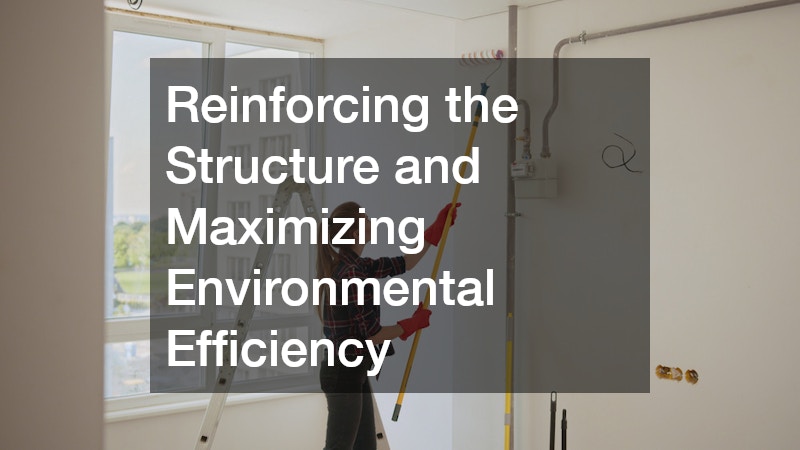
When embarking on a comprehensive home transformation, it is incredibly easy to get caught up in the selection of paint colors, tile patterns, and light fixtures. However, the long-term success, comfort, and financial viability of your remodel depend heavily on the work done behind the drywall and on the exterior envelope of the building. Upgrading your home’s structural integrity and thermal efficiency ensures that your beautiful interior spaces remain comfortable and protected for decades to come.
The exterior envelope—comprising the roof, walls, insulation, and fenestration—acts as the primary defense against the elements. If your home features older, single-pane windows, a significant amount of your heating and cooling budget is literally escaping through the glass. Upgrading to modern, argon-gas-filled, low-emissivity triple-pane options radically alters the interior environment.
- Thermal Consistency: High-performance glass prevents cold spots near windows in winter and blocks radiant solar heat in the summer, keeping your indoor climate perfectly stable.
- Acoustic Dampening: Thick, multi-pane glass units drastically reduce exterior street noise, contributing significantly to the overall peace and quiet of your interior spaces.
- UV Protection: Advanced glass coatings block harmful ultraviolet rays, preventing your expensive new hardwood floors, custom rugs, and artwork from fading over time.
Securing professional windows services during the early structural phase of your remodel ensures that the new frames are perfectly integrated into the home’s water-resistive barrier, preventing hidden leaks that could rot your framing.
Managing these complex structural interventions, such as knocking down load-bearing walls to achieve an open floor plan, requires immense technical oversight. This is why partnering with experienced remodeling contractors is so vital. These professionals coordinate the structural engineers, framing crews, and municipal inspectors needed to guarantee that your home remains safe and structurally sound throughout the radical alterations.
Crafting Bespoke Interior Details and Architectural Character

A truly exceptional home transformation relies on a sense of individuality. Production-line finishes and generic layouts often result in spaces that feel sterile or disconnected from the people who live in them. To inject true personality and warmth into your home, you must look toward custom architectural millwork and tailor-made interior elements that are designed specifically for your daily routines and spatial requirements.
Custom built-ins are an extraordinary tool for optimizing space and creating architectural interest. A blank wall in a living room can be transformed into a majestic floor-to-ceiling library, complete with integrated LED accent lighting, hidden media wiring, and a rolling ladder. In a home office, a custom-designed desk and shelving unit can turn an awkward, underutilized alcove into an ergonomic and highly inspiring workspace.
- Material Harmony: Custom woodwork allows you to match the wood species, grain patterns, and stain colors exactly across different rooms, creating a subtle visual thread that binds the entire house together.
- Proportional Perfection: Unlike mass-produced retail pieces, custom architectural elements are built to the exact dimensions of your ceilings and walls, making your rooms feel taller and more grand.
- Hidden Functionality: Built-ins can conceal structural columns, HVAC ductwork, or wall safes, turning necessary architectural obstructions into beautiful design features.
When it comes to the loose furniture and standalone pieces that anchor your rooms, consider moving away from mass retail options in favor of commissioning local furniture makers. Working directly with an artisan allows you to select the exact slab of walnut for your dining table or design a masterfully crafted credenza that fits your dining room down to the millimeter. These heirloom-quality pieces bring an authentic, tactile soul to your spaces, transforming your house from a showcase of trends into a deeply personal reflection of craftsmanship and history.
Harmonizing Interior Flow with Elevated Outdoor Living Landscapes

A whole-home transformation is incomplete if it stops at the back door. In modern residential architecture, the backyard is no longer viewed merely as a patch of grass to look at through a window; it is treated as a direct extension of the indoor living spaces. The most successful renovations create a seamless transition where the indoor flooring material, color palette, and design aesthetic flow effortlessly onto an outdoor pavilion or terrace.
To achieve this fluid connection, consider replacing standard sliding patio doors with expansive, floor-to-ceiling bi-fold or multi-slide glass wall systems. When these doors are fully retracted, the boundary between the interior living room and the exterior landscape completely disappears, instantly doubling your available entertainment area.
- Outdoor Kitchens: Move beyond a simple rolling grill by installing a built-in stone island equipped with a stainless-steel refrigerator, dedicated prep sinks, concrete countertops, and integrated trash management.
- Zoned Lounging: Create distinct outdoor rooms, such as a covered dining area beneath a hard-roof structure and a separate conversational ring centered around a custom stone fire pit.
- Landscape Lighting: Use a low-voltage LED lighting scheme to illuminate architectural trees, stone paths, and structural steps, ensuring the outdoor space remains usable and visually dramatic well after sunset.
Executing this level of outdoor luxury requires specialized craftsmanship. Engaging a premier deck builder allows you to construct a stable, long-lasting foundation using premium composite materials or exotic hardwoods like Ipe, which resist warping, rotting, and insect damage. To create a definitive architectural destination further out in the landscape, a talented gazebo contractor can design a beautiful, shaded retreat that provides a quiet escape from the midday sun while adding structural elegance to your yard.
Finally, do not overlook the living elements of your property. Before any construction begins on your outdoor structures, it is wise to consult with professional tree services to evaluate the health of your existing mature trees. Preserving old-growth trees adds priceless character and natural shade to your new outdoor living areas, but their root zones must be carefully mapped out and protected from heavy construction equipment to ensure they continue to thrive for generations to come.
Turn Your Renovation Plan Into a Lasting Home
A high-end renovation is a significant undertaking, so the work does not end when construction is complete. Once the major upgrades are finished, take time to review the quality of the work, confirm that systems and fixtures are operating properly, and make sure final details have been completed according to the agreed plans. Keeping records of materials, warranties, equipment, and maintenance requirements can also make future upkeep much easier.
The long-term success of a dream renovation depends on how well the finished home continues to serve its purpose. High-quality materials and custom features still require appropriate care, while advanced systems may need regular servicing or updates. Establishing a maintenance routine can help protect the condition and appearance of newly renovated spaces and reduce the likelihood of avoidable problems.
It is also worth giving the home time to settle into everyday life. As you use the renovated spaces, you may discover small opportunities to improve storage, lighting, organization, or functionality. These adjustments can be made gradually without changing the overall design or undertaking another major renovation.
A thoughtfully planned home upgrade should ultimately make everyday living more comfortable, convenient, and enjoyable. By combining careful execution with ongoing maintenance and practical attention to how the home is used, you can protect your investment and enjoy the results of your renovation for many years.