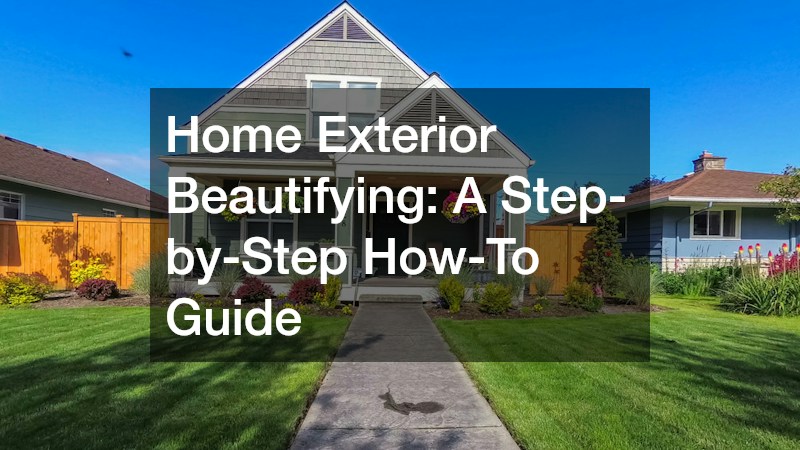
Your home’s exterior is the first thing people notice, making it an important part of your property’s overall appearance and appeal. A well-maintained exterior can create a welcoming first impression while also protecting the home from weather, wear, and other potential damage. Whether you are preparing to sell, improving your property for your own enjoyment, or simply giving your home a fresh look, exterior improvements can make a noticeable difference.
Home exterior beautification involves more than mowing the lawn or adding a new welcome mat. The roof, siding, doors, windows, driveway, walkways, lighting, landscaping, and other outdoor features all contribute to how a property looks and functions. Taking a complete approach allows homeowners to identify areas that need cleaning, repair, maintenance, or a visual update before deciding which projects to tackle.
The good news is that improving your home’s exterior does not always require a major renovation. Simple changes such as refreshing the front door, maintaining landscaping, improving outdoor lighting, cleaning exterior surfaces, or updating worn features can have a significant visual impact. These exterior home beautification tips can also help you prioritize projects based on your home’s condition, your budget, and the amount of time you have available.
In this step-by-step guide, we’ll explore practical ways to beautify your home’s exterior, from assessing the property and improving curb appeal to updating landscaping, hardscaping, and architectural details. With a clear plan and consistent maintenance, you can create an exterior that looks attractive, feels welcoming, and remains in good condition for years to come.
Modernize Your Siding for Dramatic Visual Impact

The vertical surfaces of your home represent its largest visual footprint. Over time, builder-grade materials may fade, warp, or look dated, affecting the entire neighborhood’s aesthetic. Updating your facade with modern materials is the most effective way to achieve a dramatic transformation if your exterior appears tired.
Popular modern materials offer vastly improved aesthetics and longevity compared to options from previous decades:
- Fiber Cement: This material mimics the rich texture of natural wood grain but resists rotting, cracking, and wood-boring insects. It holds paint beautifully, meaning you will spend far less time on ongoing maintenance.
- Engineered Wood: Lightweight yet incredibly strong, engineered wood provides a warm, authentic look with treated wood strands that resist moisture and fungal decay.
- Insulated Vinyl: A step up from traditional vinyl, insulated options feature a rigid foam backing that improves energy efficiency while creating straighter, more solid sightlines along your walls.
Choosing a contemporary color palette can completely redefine your home’s architectural style. Dark, moody hues like charcoal, deep navy, or forest green have surged in popularity, offering a sophisticated contrast against crisp white trim. Alternatively, warm neutrals like taupe, greige, or soft cream create a timeless, welcoming aura. Because installing wrap-around exterior materials requires precision engineering to prevent water infiltration and ensure straight seams, relying on certified siding contractors is essential to guarantee your investment looks flawless and stands up to severe weather.
Upgrade Windows and Entryways to Maximize Natural Light
Once your main walls are secure, focus on the windows and entryways, the architectural jewelry of your home. Dated windows with peeling trim or clouding make a home appear neglected. Upgrading these enhances daily life by bringing natural light inside while presenting a polished exterior.
Consider the following upgrades to maximize both visual appeal and daily functionality:
- Black Window Frames: Swapping out standard white frames for bold black or bronze frames creates a striking contrast that frames your interior views like pieces of art.
- Statement Front Doors: Your front door is the natural focal point of the facade. Consider an oversized timber door, a bold pop of color like cobalt blue or rich saffron, or a modern steel-framed door.
- Sidelights and Transoms: Adding glass panels next to or above your entry door lengthens the entryway visually and makes the entire front porch feel grander.
Integrating expansive glass into your architectural design requires a delicate touch to maintain thermal efficiency and structural safety. Utilizing specialized glass installation services allows you to confidently incorporate large picture windows, custom geometric shapes, or sleek sliding glass doors that seamlessly connect your indoor spaces with outdoor patios, instantly elevating the perceived luxury of your property.
Design Welcoming Path and Driveway Layouts
Hardscaping forms the permanent bones of your outdoor space. Cracked, oil-stained, or uneven driveways and walkways create a jarring, uninviting experience. Properly designed pathways should naturally guide a visitor’s eye and footsteps to your front entrance, creating an intuitive transition from street to home.
To elevate your hardscape from purely functional to visually stunning, consider upgrading your materials and layouts:
- Interlocking Pavers: Available in a massive array of colors, shapes, and textures, pavers allow you to create custom geometric patterns, borders, and color variations that complement your home’s trim.
- Stamped and Colored Concrete: If traditional concrete is preferred, stamping it can mimic the elegant look of slate, flagstone, or cobblestone at a more accessible price point.
- Widened Walkways: Standard paths are often narrow, forcing guests to walk single file. Widening front walkways to at least four or five feet creates a stately, generous approach.
The longevity of any hardscape project depends entirely on the hidden work beneath the surface, including excavation, aggregate base compaction, and pitch correction for water runoff. Partnering with professional paving companies ensures that your driveways and walks are engineered correctly to handle heavy vehicle loads and seasonal freeze-thaw cycles without settling, cracking, or collecting dangerous puddles.
Erase Years of Grime and Weather Wear

Beautiful materials lose their luster under environmental pollution, mold, pollen, and dust. Over a few seasons, surfaces can develop a dull grey or greenish tint that ages the property. Deep cleaning these surfaces is a fast, cost-effective weekend transformation.
A targeted, deep cleaning strategy can breathe new life into multiple areas around your property:
- Masonry and Concrete: Pulling embedded oils, tire marks, and rust stains out of driveways, porch steps, and brick foundations restores their original bright coloration.
- Fences and Decks: Weathered wood can be stripped of its grey appearance, exposing fresh wood grain that is ready to accept a rich new coat of stain or sealant.
- Siding and Gutters: Removing the black streaks caused by asphalt shingle runoff and clearing mold from shaded north-facing walls instantly brightens the facade.
While it can be tempting to rent equipment and tackle this project independently, improper pressure settings can easily etch concrete, splinter wood, or tear vinyl siding away from its clips. Securing professional power washing services ensures that the correct combination of eco-friendly detergents and specialized low-pressure nozzles are used to sanitize and restore your home safely and efficiently.
Frame Your Home with Intentional Plant Selection
Landscaping enhances your home’s exterior with its ability to soften architectural lines, introduce vibrant color, and create organic harmony. Avoid visiting a nursery without a plan, as this can lead to overcrowded plants or improper sun exposure.
An intentional planting scheme should rely on structured layers and a curated color palette:
- The Backdrop Layer: Position tall evergreen shrubs or dwarf conifers closest to the foundation to provide structure and green color during the bleak winter months.
- The Mid-Story Layer: Introduce mid-sized deciduous shrubs, ornamental grasses, or perennial flowering plants that offer shifting textures and colors across spring and summer.
- The Foreground Border: Use low-growing ground covers, annual flowers, or trailing plants along the edges of walkways to draw the eye downward and soften the transition to the lawn.
To ensure your softscaping thrives for years to come, it is beneficial to think about soil health, microclimates, and root growth zones. Collaborating with a professional landscaping service can help you select native plants that require less water and fertilizer, map out automated irrigation lines, and create a master planting plan that scales beautifully over time without swallowing up your windows.
Refine the Canopy to Open Up Views and Sunshine
Low-level plantings add color, while mature trees provide a property’s history, scale, and prestige. Unmanaged large trees, however, can droop over roofs, block sunlight from windows, and obscure the architectural details of your home.
Proper canopy management offers significant visual and structural rewards:
- Raising the Canopy: Pruning away the lowest limbs of large trees opens up sightlines from the street, allowing your home’s front porch and architectural features to take center stage.
- Thinning the Interior: Removing crowded interior branches lets dappled sunlight filter through to the lawn and understory gardens below, promoting healthier grass and plant growth.
- Correcting Symmetry: Structural pruning removes crossing or rubbing branches, helping a tree develop a balanced, sculptural shape that serves as a stunning natural frame for your property.
Beyond aesthetics, overgrown trees pose a major safety risk to your roof, siding, and nearby power lines during high wind or ice events. Investing in routine tree trimming not only enhances the visual polish of your estate but also protects your structural assets by eliminating weak, diseased, or dead wood before it has a chance to fall.
Define Your Garden Beds with Rich Contrast

After establishing your plant layout and trimming trees, you need to focus on the ground beneath your gardens. Unmanaged soil can sprout weeds and erode during heavy rains, exposing roots and creating an untidy look. High-quality ground cover provides a neat and professionally designed appearance for your entire yard.
Utilizing premium organic ground covers provides numerous aesthetic and biological advantages:
- Visual Separation: A dark ground cover creates a crisp, clean border that separates the vibrant green of your lawn from the variegated colors of your garden plants.
- Moisture Conservation: Organic layers insulate the soil, reducing water evaporation and keeping plant roots cool during intense summer heatwaves.
- Weed Suppression: A dense, uniform layer blocks sunlight from reaching airborne weed seeds, significantly reducing the hours you spend weeding on the weekends.
To achieve that sought-after estate look, avoid thin, patchy applications of low-grade coverings. Sourcing fresh, double-shredded material from specialized mulch companies allows you to lay down a consistent, rich layer of dark brown, black, or natural cedar chips that will break down slowly, enriching your soil while keeping your garden beds looking pristine for months.
Keep Structural and Organic Assets Safe from Damage
True curb appeal requires safeguarding your work from hidden threats that can undermine your investments. Wood-boring insects, destructive rodents, and nesting pests can quickly damage new siding, wooden decks, and ornamental plants.
A proactive approach to protecting your property includes several key steps:
- Clearing Soil Tool Contact: Keep garden beds and organic covers a few inches below your home’s siding foundation line to prevent a direct highway for wood-destroying organisms.
- Eliminating Standing Water: Ensure gutters clear water far away from the house, as damp soil and pooling water are major attractants for unwanted pests.
- Inspecting Wood Elements: Check porch pillars, deck joists, and architectural trim regularly for small entry holes, sawdust, or bubbling paint.
It is heartbreaking to watch a beautifully manicured exterior deteriorate due to hidden infestations behind the walls or beneath the porch steps. Establishing a preventative perimeter barrier with a certified pest control specialist keeps your structural frameworks secure and ensures that your home’s exterior remains a clean, healthy, and pristine environment.
Layer Your Exterior Lights for Safety and Drama
A beautiful home shouldn’t disappear into the shadows at night. A well-planned outdoor lighting strategy extends curb appeal into the evening, adding warmth, luxury, and security. The key to professional illumination is layering light sources instead of using a single floodlight, which can create harsh shadows.
An effective nighttime design utilizes three distinct layers of light:
- Ambient Lighting: This provides a gentle, overall glow to large areas. Think of attractive hanging lanterns on a front porch or a flush-mount fixture that warmly illuminates the main entryway.
- Task Lighting: Focused directly where visibility is required for safety. Low-profile path lights along a stone walkway or step lights built directly into porch risers ensure guests can navigate your property safely.
- Accent Lighting: Purely theatrical lighting used to highlight focal points. Uplights placed at the base of mature trees, silhouetting structural brickwork, or grazing across modern siding textures create stunning visual depth.
When selecting fixtures, opt for high-quality, weather-sealed metals like solid brass or copper, which develop a gorgeous patina over time. To avoid a chaotic or glaring look, look into professional lighting services to help map out beam angles, select the ideal warm color temperature, and design a balanced system that enhances your home’s best features without spilling light into your neighbors’ windows.
Ensure Safe Infrastructure for Your Outdoor Power Needs

As you expand your exterior design with landscape lights, water features, automated gates, or outdoor entertainment areas, your home’s electrical infrastructure will face increased demand. Outdoor electrical work must handle environmental stressors like moisture, UV degradation, digging tools, and freezing temperatures, making safety a top priority.
Key considerations for a robust outdoor power system include:
- Weatherproof Outlets: All exterior receptacles must feature dedicated ground fault circuit interrupter protection and heavy-duty, in-use covers to prevent water intrusion.
- Low-Voltage Transformers: High-quality transformers safely step down your home’s standard voltage to a safe level for landscape lighting, reducing energy consumption and shock hazards.
- Conduit Protection: Any high-voltage lines running to detached garages, outdoor kitchens, or perimeter pillars must be buried at the correct depth inside protective conduit.
Attempting to splice exterior wires or run extension cords as permanent solutions is a recipe for electrical failures, fires, or ruined equipment. Working with a licensed electrician guarantees that your outdoor oasis is fully code-compliant, properly grounded, and capable of powering your entire exterior design safely for decades to come.
Give Your Home Exterior a Lasting Finish
Beautifying your home’s exterior is an ongoing process rather than a project that has to be completed in one weekend. Once you have addressed the most noticeable areas, regular cleaning, landscaping, repairs, and seasonal maintenance can help preserve the improvements and keep the property looking well cared for.
A step-by-step approach also makes larger projects easier to manage. Start by completing necessary repairs and maintenance, then move on to improvements that enhance the appearance of the property. This may include refreshing exterior finishes, updating the entryway, improving walkways, adding landscape features, or installing outdoor lighting. Prioritizing projects allows you to spread costs over time instead of taking on everything at once.
It is also important to recognize when professional assistance is appropriate. Structural repairs, roofing work, electrical installations, major landscaping projects, and other specialized tasks may require specific skills, equipment, or safety knowledge. Proper installation can help ensure that improvements remain attractive and functional rather than creating additional maintenance problems.
The finished exterior should reflect both the character of your home and the way you use your property. By planning improvements carefully, completing projects in a logical order, and maintaining each area as you go, you can create an attractive and welcoming exterior that continues to provide enjoyment and value for years to come.