
Key Takeaways
- Kitchen renovations typically take six to twelve weeks from the first swing of a sledgehammer to the final walkthrough, depending on scope and complexity.
- Demolition is one of the fastest phases, usually wrapping up within a week, but it sets the tone for everything that follows.
- Permits, custom cabinetry, and appliance delivery windows are the three biggest timeline wildcards most homeowners underestimate.
- Hiring experienced professionals shortens project timelines and reduces costly mistakes, which is why the vast majority of renovators use licensed contractors.
- Whole-home projects stretch far longer than single-room updates, often spanning four to eight months when structural work is involved.
- Clear communication, realistic budgeting, and detailed design decisions made before demo day are the biggest predictors of staying on schedule.
- Supply chain delays, hidden damage behind walls, and change orders mid-project are the most common reasons timelines slip.
Why Kitchen Timelines Deserve a Closer Look

The kitchen is the busiest room in almost every home, which is exactly why remodeling it feels so disruptive. You cannot easily cook, gather, or live normally without it. So when homeowners start planning upgrades, the first question they ask is rarely about cost or style. It is about time. How many weeks will I be eating takeout? How long until my family stops tripping over sawhorses in the hallway?
Understanding the real timeline of a renovation is more than curiosity. It affects your budget, your rental plans if you need to move out, and your sanity. A well-planned schedule gives contractors room to do quality work, and it gives you a clear picture of what each week will look like. A rushed or vague timeline, on the other hand, almost always leads to costly change orders, frustrated trades, and finishes that feel sloppy.
This guide walks through every phase, from the moment the first cabinet comes down to the final punch list. The goal is simple: give you the research-backed context to plan smart, ask better questions, and avoid the pitfalls that stretch six-week projects into six-month ordeals.
Why Kitchens Dominate the Renovation Conversation
Of all the rooms homeowners choose to update, the kitchen consistently tops the list. It is where daily life happens, where entertaining starts, and where return on investment tends to be strongest. According to South Shore Custom Builders, kitchens continue to lead as the most commonly renovated interior room at 29 percent in the 2024 U.S. Houzz and Home Study. That figure has been consistent for years, and it explains why contractors are so familiar with the rhythm of a kitchen project.
There is a reason kitchens get this level of attention. They age faster than bedrooms or living rooms because of heavy use, grease, moisture, and constantly evolving appliance technology. A kitchen from 2005 looks dated not just stylistically but functionally. Induction cooktops, panel-ready refrigerators, and deeper drawers for pots have shifted expectations. Upgrading pulls a home back into the present.
The popularity of these projects also means contractors have refined their processes, materials are widely available, and inspiration is everywhere. That is both good and bad news for timelines. Good because teams know what they are doing. Bad because decision fatigue is real when every finish has a hundred variations.
How Long Does a House Remodel Take at Each Phase
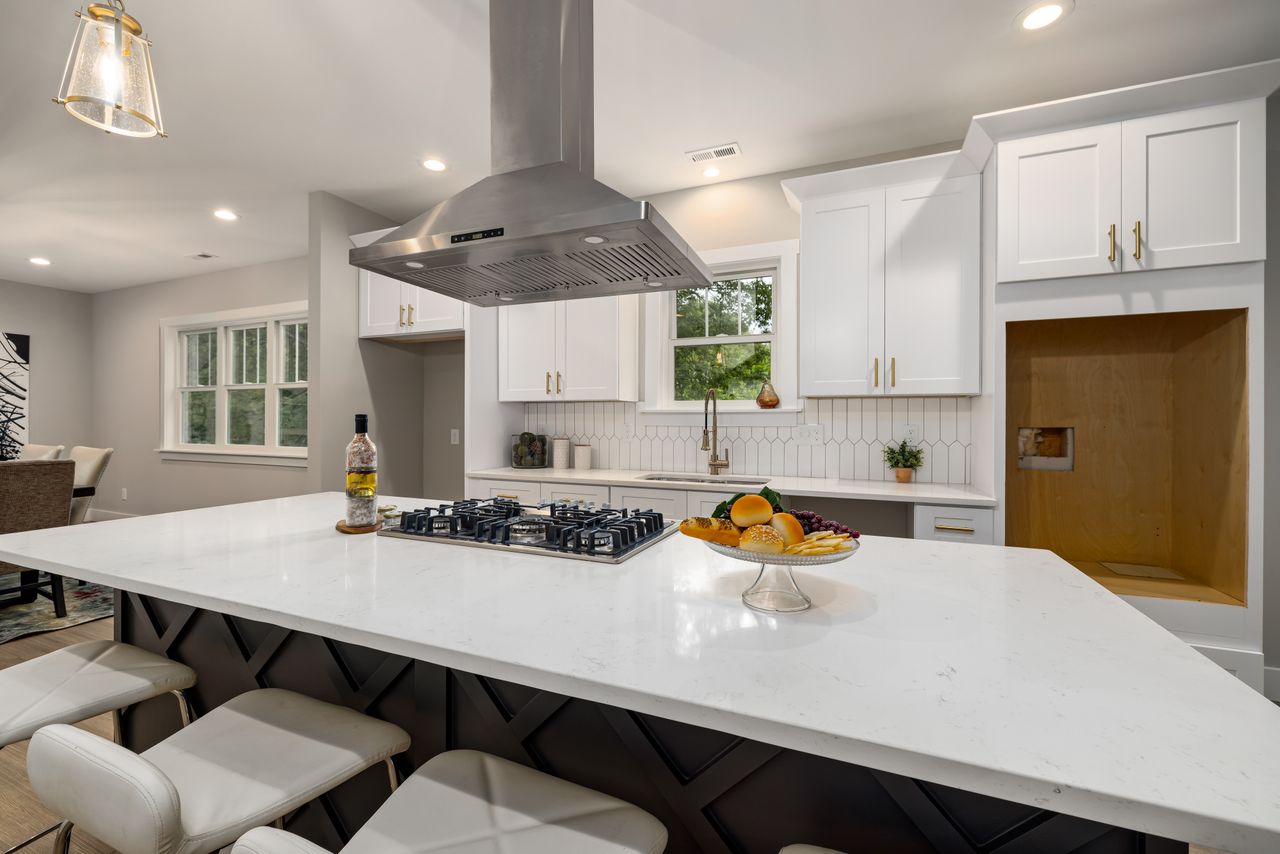
This is the central question of any project, so let us break it down phase by phase. A typical kitchen project runs six to twelve weeks of active construction, but the full journey including planning often spans four to six months. When people ask how long does a house remodel take, they are usually imagining only the construction window. The reality is that planning and material procurement often take as long as the demo and build combined.
Here is a realistic breakdown of what each phase typically requires:
- Design and planning: four to eight weeks for finish selections, layout, and drawings
- Permitting: two to six weeks depending on your municipality and scope
- Material procurement: four to twelve weeks, especially for custom cabinets
- Demolition: three to seven working days for a standard layout
- Rough-in work (electrical, plumbing, framing): one to two weeks
- Installation of cabinets, counters, flooring, and appliances: three to five weeks
- Final finishes, punch list, and inspections: one to two weeks
Those numbers assume things go smoothly. They rarely do. Weather, backordered appliances, surprise plumbing issues, and change orders all shift the schedule. Smart planning accounts for a buffer of at least two extra weeks on any project.
What Determines the Length of the Demo Phase
Demolition sounds like a straightforward task, but it is one of the phases where surprises most often emerge. According to Generation Builders USA, a standard kitchen teardown typically takes three to seven working days for a typical layout. That timing includes removing cabinets, countertops, flooring, appliances, and sometimes walls if the design calls for an open concept.
What stretches demo beyond that window is almost always what the contractor finds once things open up. Old knob-and-tube wiring. Water damage behind the sink cabinet. Load-bearing walls that were not documented. These discoveries can add days or weeks, so experienced crews always build in some margin for the unexpected.
Planning Before Demo Day Saves Weeks Later
Every veteran contractor will tell you the same thing: the projects that finish on time are the ones where every decision was made before demolition started. That means paint colors, cabinet pulls, tile grout color, faucet finish, and outlet placement. All of it. Changing your mind mid-project is the single fastest way to add weeks.
Good house remodeling begins with weeks of design conversations, mood boards, and sample orders. This is where architects, designers, and showrooms earn their fees. Rushing this stage to get to construction faster almost always backfires. A week saved on planning often costs a month in delays later.
For homeowners looking to balance ambition with realistic schedules, exploring refreshing renovation projects at different scales can help calibrate expectations. Not every update needs to be a gut job. Sometimes a targeted refresh delivers most of the impact at a fraction of the time and cost.
The Hidden Timeline Cost of Custom Cabinetry
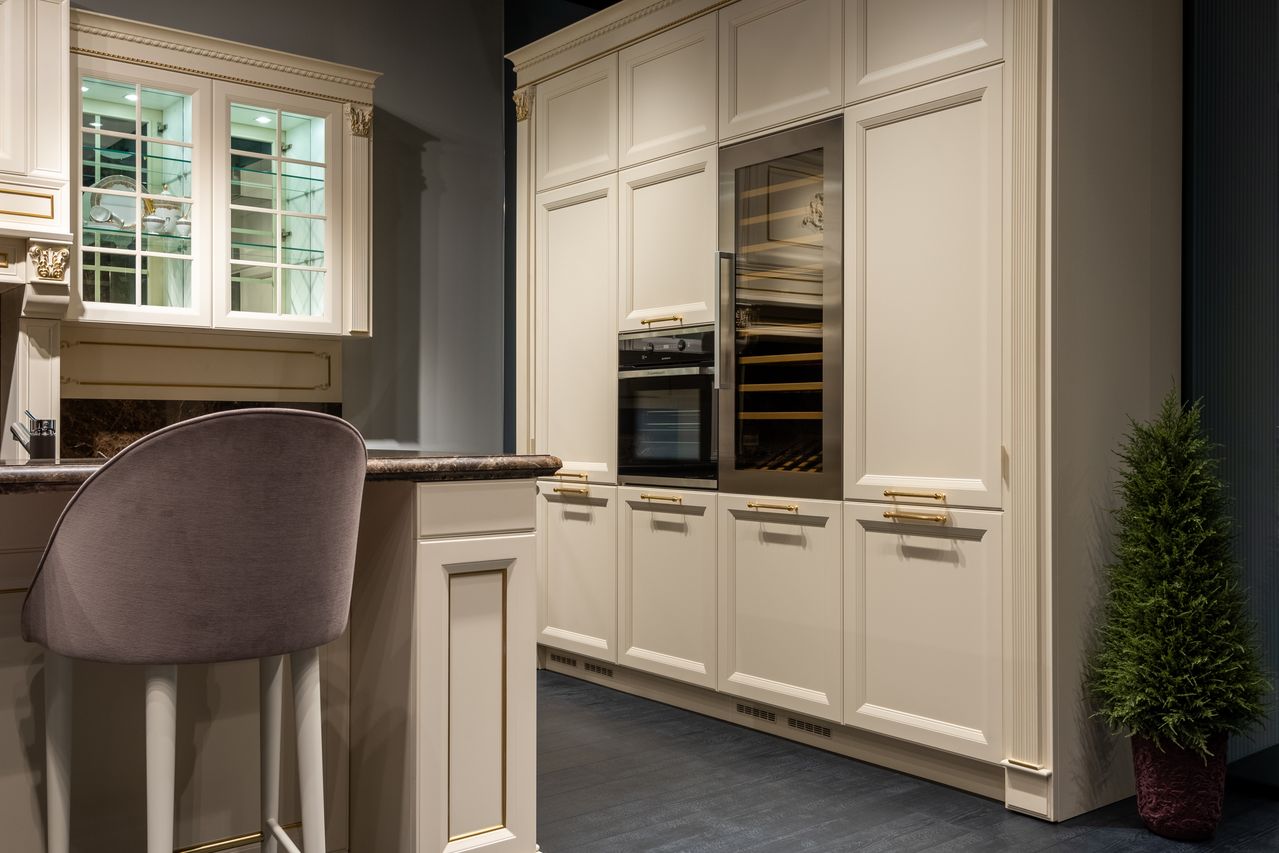
Custom and semi-custom cabinets are often the single longest lead-time item in a kitchen project. Lead times of eight to sixteen weeks are common, and premium brands can stretch beyond that. If you order cabinets after demo begins, you will be living with plywood countertops for months.
The fix is simple but requires discipline. Finalize your cabinet order before anything is torn out. Confirm delivery dates in writing. Build the demolition schedule around when materials will actually arrive, not when you hope they might.
Why Professional Help Shortens the Schedule
DIY renovation videos make it look easy. Rip out the old, slap in the new, and enjoy a weekend transformation. Real projects almost never work that way, especially once plumbing, electrical, and structural work are involved. According to ASP Super Home, 90 percent of renovating homeowners brought in professional help for their projects based on the 2025 Houzz and Home Study. That is not a coincidence.
Professionals compress timelines because they coordinate trades, handle permits, and anticipate problems before they become delays. A general contractor knows that the electrician needs to finish before the drywaller starts, and the plumber needs rough-in done before the tile crew arrives. That choreography is nearly impossible for a homeowner juggling a day job.
There is also a quality dimension that matters. Licensed contractors carry insurance, pull proper permits, and stand behind their work. If something fails six months after installation, you have recourse. That peace of mind is worth the premium, especially on a project that touches gas lines, water supply, and electrical panels.
When to Involve a Designer Versus a Contractor First
The order in which you bring on professionals affects your timeline more than most homeowners realize. If you have a clear vision and straightforward layout, starting with a design-build contractor streamlines everything under one roof. If your project involves moving walls, reworking the floor plan, or coordinating with high-end finishes, engaging a designer or architect first produces drawings the contractor can bid accurately against.
Mixing the order up, like hiring a contractor and then second-guessing the layout with a designer mid-build, is a recipe for change orders. Decide early which path fits your project, and commit to it.
Whole-Home Projects Follow a Different Clock
A kitchen is one room. A whole-house renovation is a different animal entirely. These projects commonly run four to eight months of active construction, and when structural work, additions, or second-story expansions are involved, the calendar can stretch past a year. The sequencing becomes more complex because rooms depend on each other. You cannot finish flooring in the living room if the kitchen demo is kicking up dust next door.
For homeowners considering ambitious scope, a thorough luxury renovation planning guide is essential reading before signing any contracts. Large projects demand phased schedules, temporary living arrangements, and far more rigorous budget tracking than a single-room update.
How Living Arrangements Affect Project Pace
Whether you stay in the home during construction or move out temporarily has a direct impact on how fast crews can work. Occupied homes require daily cleanup, dust containment, and careful scheduling around family routines. That can add fifteen to twenty percent to the overall timeline. Vacant homes let trades work in parallel, run longer hours, and leave tools in place overnight.
If your budget allows for a short-term rental during the heaviest construction weeks, you often recover the cost through a faster finish and less wear and tear on your patience.
The Timeline Variables No One Warns You About
Even the best-planned project runs into variables that are hard to predict. Some are seasonal, some are regional, and some are just bad luck. Knowing what they are in advance helps you build realistic expectations.
- Permit office backlogs during peak renovation seasons, usually spring and early summer
- Appliance delivery windows that shift after you place the order
- Inspector availability, which can add days between phases
- Weather delays if windows, doors, or exterior work are part of the scope
- Discovery of asbestos, lead paint, or mold that requires specialized abatement
- Subcontractor scheduling conflicts when a single trade works multiple jobs
None of these are reasons to avoid a project. They are reasons to build a buffer into the schedule and to communicate openly with your contractor about contingencies.
How Design Trends Influence Material Lead Times
When a particular finish or style surges in popularity, lead times for related materials often balloon. Fluted cabinet fronts, unlacquered brass fixtures, and reeded glass have all seen extended backorders in recent years. Staying aware of current home design trends helps you anticipate which materials will be harder to source and plan your order dates accordingly.
If you fall in love with a trending finish, order it first and build the rest of your selections around its delivery date. Trying to match it later usually means either waiting or settling for a close-enough substitute.
Communication Is the Secret Weapon of On-Time Projects
The single most predictive factor in whether a project finishes on schedule is not the size of the budget or the experience of the crew. It is the quality of communication between homeowner and contractor. Weekly progress meetings, shared project management apps, and clear decision deadlines keep everyone moving in the same direction.
Ask your contractor upfront how they handle updates. Do they send weekly emails? Use a shared online dashboard? Hold Friday walkthroughs on site? Pick a rhythm that works for both sides and stick to it. The projects that fall behind are almost always the ones where the homeowner finds out about a delay two weeks after it happened.
Setting Realistic Decision Deadlines
Contractors need answers on dozens of small questions throughout a project. Outlet placement. Grout color. Whether to add a pot filler. If you take three days to respond to each one, those delays compound. Set a personal rule to respond within twenty-four hours on all project questions, and ask your contractor to flag which decisions are blocking progress versus which can wait.
This discipline alone can shave a week or more off the final timeline on a typical kitchen project.
Conclusion
Timelines for a renovation are never as simple as a single number. They depend on scope, complexity, decision-making speed, material availability, and the experience of the team you hire. A straightforward kitchen update can wrap in six weeks. A whole-home transformation with structural changes can run most of a year. Neither is wrong. The right timeline is the one that matches your goals, your budget, and your tolerance for disruption.
The homeowners who come out the other side happiest are the ones who did the unglamorous work upfront. They finalized selections before demo. They hired licensed professionals and trusted them to coordinate the trades. They built a buffer into the schedule and the budget so that the inevitable surprises did not derail the project. Most importantly, they communicated clearly and made decisions quickly when asked.
Whether you are planning a modest refresh or a full gut renovation, the path to a project that finishes on time looks the same. Plan thoroughly, hire well, decide decisively, and expect the unexpected. Do those four things, and the weeks between demo and done will pass faster than you imagined, leaving you with a space that was worth every day of the wait.