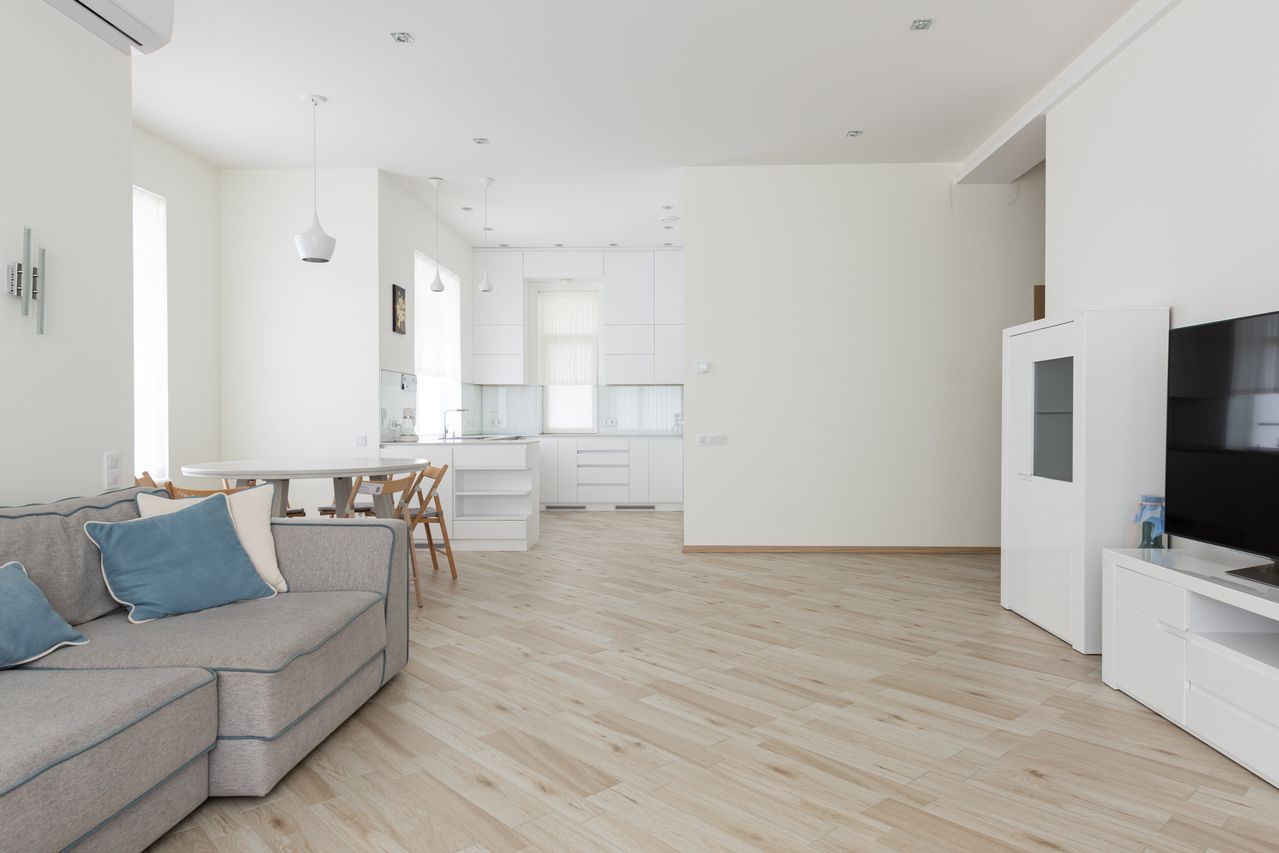
Why Flooring Choices Matter More in Smaller Spaces
When you live in a compact home, every square foot pulls double duty. The floor isn’t just something you walk on — it’s a visual anchor that shapes how roomy, cozy, or cluttered your space feels. Pick the wrong material and a 700-square-foot condo can feel like a shoebox. Pick wisely, and that same footprint suddenly breathes.
Budget pressures add another layer. Smaller homes mean smaller material orders, which sounds like a win until you realize labor costs, underlayment, and transitions don’t shrink proportionally. That’s why choosing the right flooring is as much about long-term value as it is about the sticker price per square foot.
The sections below weigh the most popular budget-friendly options side by side — looking at durability, style, installation difficulty, and how each one actually performs in tight quarters. By the end, you should have a clear sense of which direction fits your space, your lifestyle, and your wallet.
How Do You Decide What “Budget-Friendly” Really Means?
Cheap upfront doesn’t always mean cheap in the long run. A $0.79-per-square-foot peel-and-stick tile might look like a bargain, but if you’re replacing it in three years, the math changes. Real affordability factors in lifespan, moisture resistance, repair costs, and whether you can install it yourself without hiring a pro.
For a compact home, there’s also the question of resale. Flooring that looks dated or worn can drag down an otherwise beautiful remodel. So budget-friendly really means materials that balance low initial cost with respectable longevity and visual appeal.
Here’s what to weigh before locking in a decision:
- Total installed cost, including underlayment and trim
- Expected lifespan under normal foot traffic
- Moisture tolerance — critical for kitchens, baths, and basements
- DIY-friendliness versus the need for professional installation
- Style flexibility and how it photographs in small rooms
- Resale appeal in your local market
When Lifespan Beats Sticker Price
A floor that lasts 20 years at $3 per square foot is cheaper over time than a floor that lasts 5 years at $1.50. This is especially true in small homes, where ripping up and replacing flooring means displacing your entire living arrangement. Durability matters more when you have nowhere to hide from the dust.
Laminate: The Classic Budget Winner
Laminate has been the go-to affordable flooring for decades, and it still earns its spot. Modern laminate mimics hardwood and stone surprisingly well, with embossed textures that feel convincing underfoot. It clicks together without glue, which makes it one of the easiest materials for a weekend DIY install.
According to This Old House, laminate flooring materials run between $1 and $4 per square foot, which keeps it comfortably in budget territory for most compact renovations. That price range leaves room for nicer finishes without blowing past what you’d pay for basic vinyl.
Where laminate struggles is moisture. Standard laminate warps when water sits on it, so it’s a poor fit for bathrooms or laundry areas. For living rooms, bedrooms, and hallways, though, it’s hard to beat. Many budget remodels lean on laminate precisely because it stretches a limited budget across more square footage without looking cheap.
Luxury Vinyl Plank: The Rising Favorite
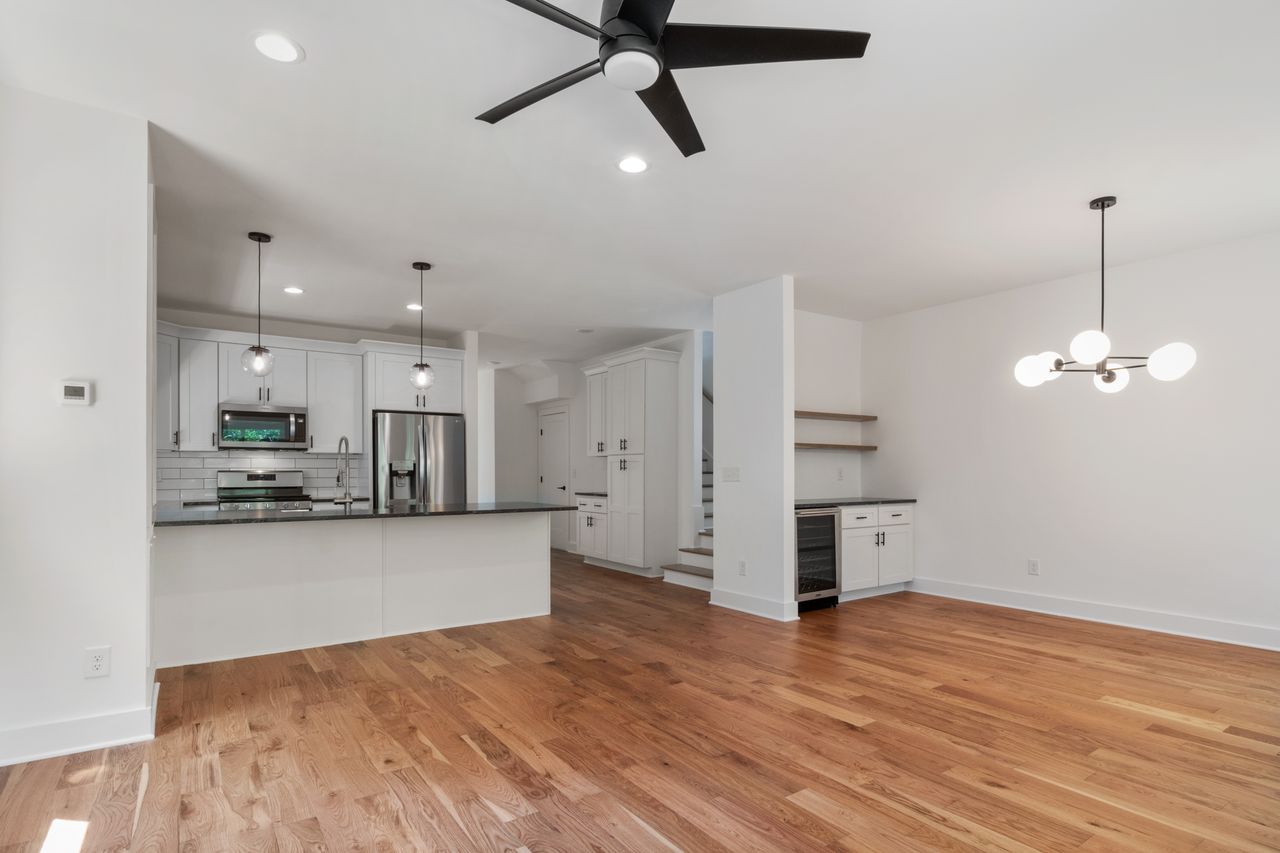
Luxury vinyl plank, or LVP, has quietly taken over the affordable flooring conversation. It’s waterproof, scratch-resistant, softer underfoot than laminate, and the printing technology has gotten good enough that even design snobs have a hard time telling it from real wood at first glance.
Pro House Maintenance reports that LVP was the flooring of choice for 30% of homeowners renovating in 2024, nudging up from 28% the year before. That steady climb reflects how much trust the material has earned, particularly for smaller spaces where kitchens, baths, and living areas often share continuous flooring.
Longevity is another selling point. Flooring Clarity notes that LVP typically lasts between 15 and 25 years with normal care, which makes it a solid long-term value for the price. For a compact home where you want one continuous floor flowing through multiple rooms, LVP’s water resistance makes that visual trick actually practical.
Why LVP Works Especially Well in Small Homes
Running the same plank from the entryway through the kitchen and into the living room makes a tight footprint feel larger. With traditional materials, you’d need transitions between wet and dry zones. LVP eliminates that problem entirely, giving you an uninterrupted sight line that visually stretches the space.
Sheet Vinyl and Peel-and-Stick: The Rock-Bottom Options
If your budget is genuinely tight, sheet vinyl and peel-and-stick tiles are the cheapest paths to a fresh floor. Basic vinyl can start at well under a dollar per square foot, which is tough to beat by any other material short of painted concrete.
Sheet vinyl comes in large rolls, which means fewer seams and better water resistance in bathrooms and kitchens. It installs quickly over a prepared subfloor and comes in a surprising range of patterns, from faux tile to wood planks. The downside is that it can look flat and feels less substantial than plank-style options.
Peel-and-stick tiles sit at a similar price point and are even easier to install — no special tools or saws, just peel the backing and press down. The tradeoff is lifespan — expect five to seven years in a low-traffic room, less if moisture creeps underneath. For a rental, a starter home, or a quick refresh before selling, though, the value is real.
Where Budget Vinyl Falls Short
Thin vinyl shows every imperfection in the subfloor beneath it. Dips, seams, and nail heads telegraph through within months. If you go this route, spend the extra hour skim-coating or sanding the subfloor smooth before you lay anything down. That prep work makes a bigger difference than any upgrade in the vinyl itself.
Engineered Hardwood: Real Wood Without the Full Price Tag
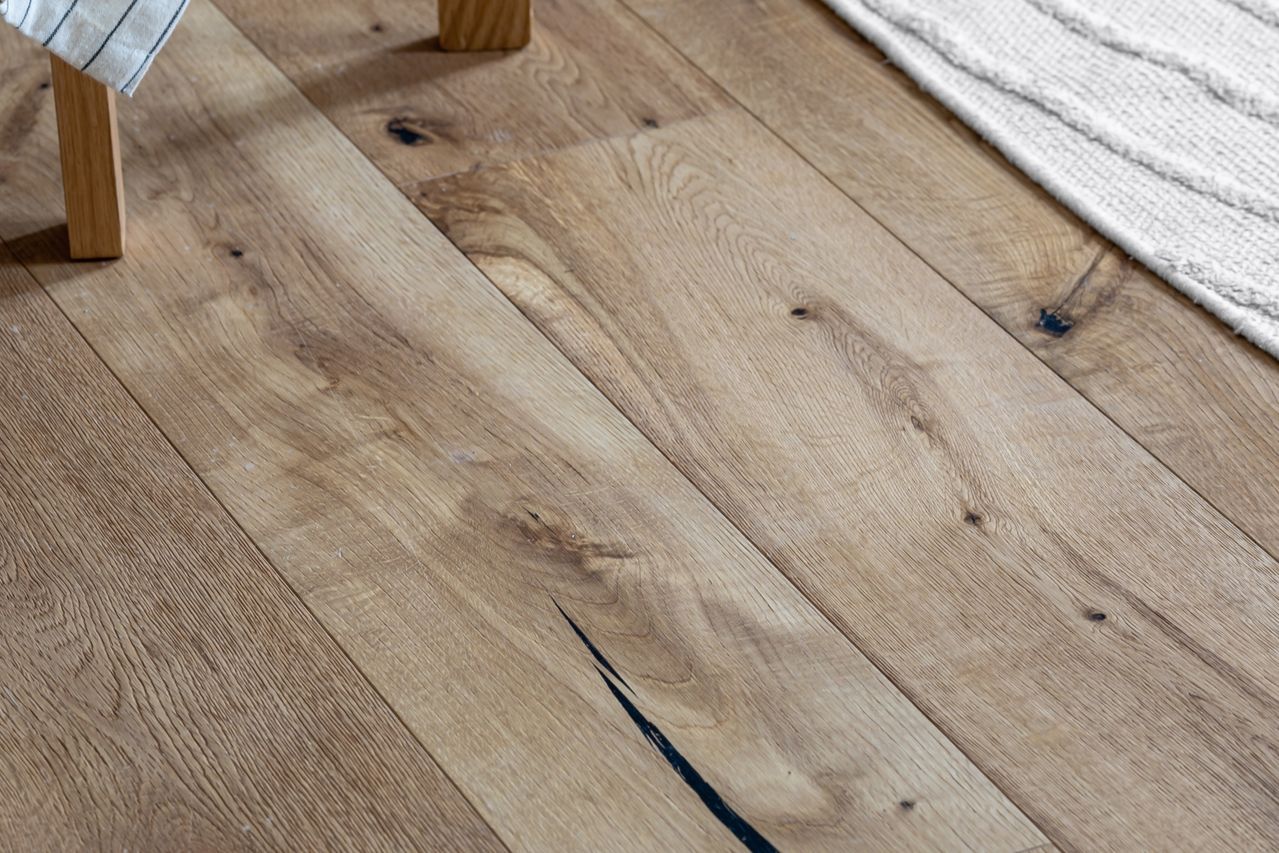
Solid hardwood is usually out of reach for tight renovation budgets, but engineered hardwood splits the difference. It uses a thin veneer of real wood bonded over a plywood core, which cuts cost significantly while still giving you an authentic wood surface you can refinish once or twice down the road.
For compact homes, engineered hardwood has a particular advantage: it handles humidity swings better than solid wood, so it won’t cup or gap as dramatically when your small space goes from steamy shower to dry winter heat in a matter of hours. Narrow plank widths also work beautifully in small rooms, drawing the eye across the floor and making the footprint feel longer.
Installation costs stay reasonable if you choose a click-lock floating version instead of nail-down. Planning the full scope of a compact remodel takes patience, and understanding the typical timeline for a home remodel can help you decide whether to tackle flooring as a weekend DIY or fold it into a larger phased project.
Polished Concrete and Painted Subfloors: The Overlooked Underdogs
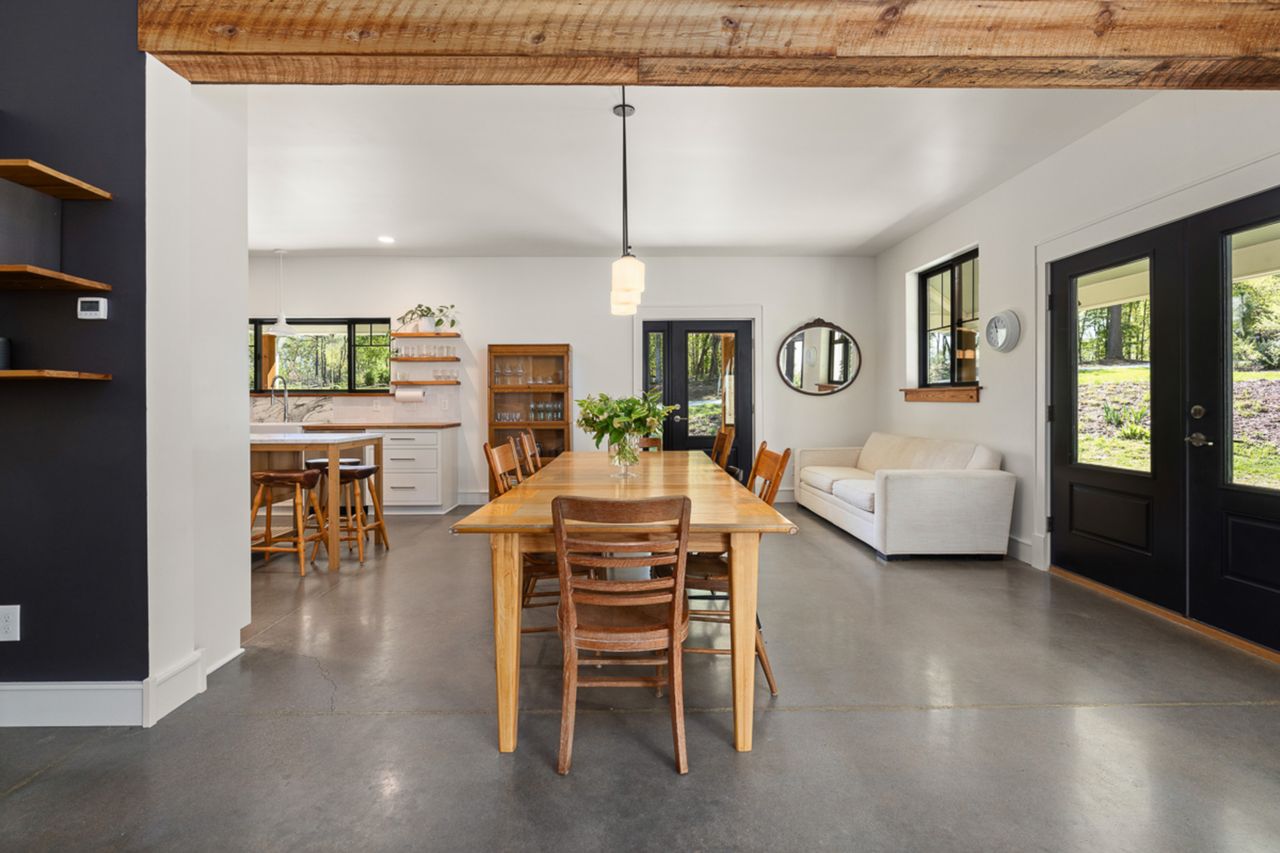
If your compact home sits on a slab, the cheapest flooring might already be under your feet. Polished concrete has a modern, industrial look that suits small open-plan spaces, reflects light, and essentially lasts forever. The cost is mostly labor for grinding and sealing — materials are minimal.
Painted plywood subfloors are another unconventional option worth considering, especially in bedrooms or home offices where foot traffic stays light. A good primer, two coats of porch paint, and a clear topcoat can deliver a surprisingly stylish floor for under a dollar per square foot. Stencil a pattern or paint faux planks and you’ve got something that photographs beautifully on a shoestring.
The Catch With Hard Surfaces in Small Spaces
Concrete and painted wood are hard, cold, and acoustically reflective. In a compact home, that can translate to echoey rooms and chilly feet in winter. Area rugs solve both problems, but factor that cost into your overall budget before committing to a bare hard surface as your finished floor.
Cork and Bamboo: Budget-Friendly With a Sustainable Edge
Cork and bamboo often get grouped with premium flooring, but entry-level versions land right in the affordable range. Bamboo planks can be found for $2 to $4 per square foot, and strand-woven versions rival oak in hardness. Cork tiles run similarly and bring warmth, sound absorption, and a soft feel underfoot that’s rare at this price.
Both materials reward small-space living. Cork dampens the noise that bounces around tight rooms, which matters when your kitchen, living area, and bedroom all share walls. Bamboo’s clean grain reads modern and uncluttered, making it a smart match for minimalist compact interiors. Both are often overlooked as sleeper picks for renovators who want character without a premium invoice.
Matching the Right Floor to the Right Room
No single material wins every room in a compact home. Mixing two or three keeps costs down while letting each space do what it does best. A common strategy:
- LVP through kitchens, baths, and main living areas for waterproof continuity
- Laminate or engineered hardwood in bedrooms where moisture isn’t an issue
- Cork in a home office or nursery for sound dampening and comfort
- Polished concrete or painted subfloor in utility spaces, entries, or sunrooms
Thinking in zones rather than rolling one material wall to wall can actually make a small home feel more intentional, not more chopped up — as long as you keep the color palette consistent across transitions.
Tips for Making Mixed Flooring Feel Cohesive
Stick to two main tones, warm or cool, and repeat them throughout. Use low-profile transition strips in matching finishes so the eye glides between materials. Keep plank directions consistent where rooms open into each other. These small decisions prevent a mixed-material floor plan from feeling like a patchwork quilt.
Reading Product Labels and Comparing Material Guides
Before buying, learn to decode the specs on the box. Wear layer thickness on LVP (measured in mils), AC rating on laminate, Janka hardness on wood products — these numbers tell you more about real-world performance than any showroom pitch. Buying guides from manufacturers and independent reviewers can help you cross-reference claims against actual homeowner experiences.
Pay attention to warranty terms too. A 25-year residential warranty sounds great until you read that it only covers manufacturing defects, not normal wear or moisture damage. The fine print often reveals which products are genuinely built to last and which are coasting on marketing.
Conclusion
Flooring a compact home on a budget is less about chasing the lowest price per square foot and more about matching material to room, lifestyle, and how long you plan to stay. Laminate and LVP remain the workhorses for good reason, while sheet vinyl, painted subfloors, and entry-level bamboo open up options for truly tight budgets. Engineered hardwood and cork prove you don’t have to sacrifice character to stay affordable.
The smartest approach in a small space is almost always a hybrid one. Let the wet zones get waterproof flooring, let the bedrooms get something warmer, and tie it all together with a consistent color story. That kind of thoughtful planning stretches every dollar further than any single bargain material could on its own.
Whatever you choose, prep the subfloor well, buy ten percent more than you think you need, and give yourself the weekend rather than the afternoon. Compact homes forgive a lot, but they don’t hide a sloppy floor install. Take your time, and the right budget flooring will look like money well spent for years to come.